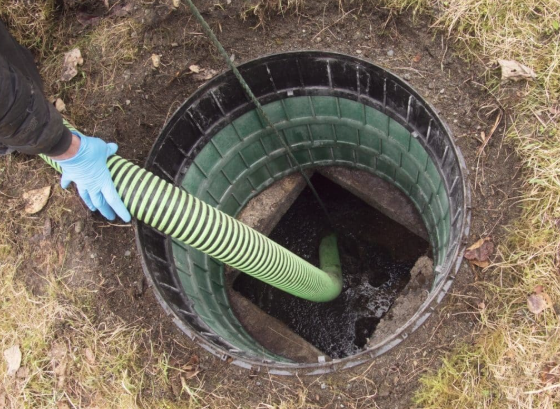
Owning a home comes with many responsibilities. Septic care is one that’s often forgotten. Ignoring small issues can lead to big, costly repairs. That’s why knowing about septic pumping Redmond matters. Regular maintenance prevents clogs, protects your foundation, keeps your yard healthy, and helps your home stay safe. A few simple steps, done consistently, can save thousands.
Why Small Steps Matter More Than You Think?
Most homeowners think septic problems appear overnight, but they actually develop slowly. Waste builds up, bacteria levels change, and blockages form. Regular, scheduled pumping keeps your system balanced and avoids backups. Watching for early signs, like slow drains or unusual odors, lets you act before repairs become urgent.
- Reduce stress and mess
- Extend septic system lifespan
- Prevent costly plumbing emergencies
Even a basic understanding of septic pumping Redmond, Oregon, can make a huge difference in your home’s health.
Know Your System Inside Out
You can’t fix what you don’t understand. A septic system has three main parts: the tank, pipes, and drain field. Knowing how they work together helps you catch problems early. Regular inspections and timely pumping keep solids in check and pipes flowing smoothly.
- Check tank levels periodically
- Look for wet spots above the drain field
- Listen for gurgling toilets or slow drains
Understanding your system also makes communication with professionals easier, so they can provide faster, more accurate service.
Septic Success Depends on Timing
Septic systems work best when balanced. Pumping too soon or too late can cause problems, so removing solids on time is key. Most experts suggest every 3–5 years, but bigger households might need it more often.
- Avoid overflows or backups
- Prevent damage to the drain field
- Maintain proper bacterial activity
Being proactive now saves you from major headaches later and aligns perfectly with septic pumping best practices.
Watch What Goes Down the Drain
What you flush really matters. Food scraps, grease, chemicals, and wipes can harm your septic system. Teaching everyone in your household what’s safe to flush or pour keeps your system running smoothly and avoids costly problems.
- Keep grease and oil out of drains
- Avoid harsh chemicals that kill beneficial bacteria
- Dispose of diapers and wipes in the trash
These habits, though simple, protect your investment and reduce the need for emergency services.
Seasonal Checks Make a Difference
Wet winters can soak your drain field, while dry summers can dry it out. Checking your system each season catches small problems before they grow. Pair these seasonal checks with your regular pumping schedule for the best results.
Common Mistakes That Lead to Expensive Repairs
Some habits shorten your septic system’s life. Avoid these to keep things running smoothly:
- Skipping regular pumping
- Flushing inappropriate items
- Overwatering or heavy machinery on the drain field
Correcting these mistakes now saves you from disruptive and expensive fixes later.
Common Mistakes That Lead to Expensive Repairs
Cleanline Seamless Gutters specializes in helping homeowners maintain healthy, long-lasting septic systems. By following simple steps like regular pumping, proper waste disposal, and seasonal checks, you can avoid major repairs and enjoy peace of mind. Our local expertise ensures every home in Central Oregon benefits from safe, professional service. Remember, proper care of your system through septic pumping Redmond isn’t just maintenance, it’s smart homeownership.
Frequently Asked Questions
- How often should I schedule septic pumping?
Every 3–5 years. Homes with more people may need it sooner to avoid backups. - What signs show my septic system needs help?
Slow drains, gurgling toilets, wet spots in the yard, or strange smells. - Can household items harm my septic system?
Yes. Grease, wipes, harsh chemicals, and non-biodegradable items can cause problems. - Do seasons affect septic system performance?
Yes. Wet winters can flood the drain field, and dry summers can dry it out. - Why is regular pumping so important?
It removes solids, keeps the system balanced, lasts longer, and avoids costly repairs.