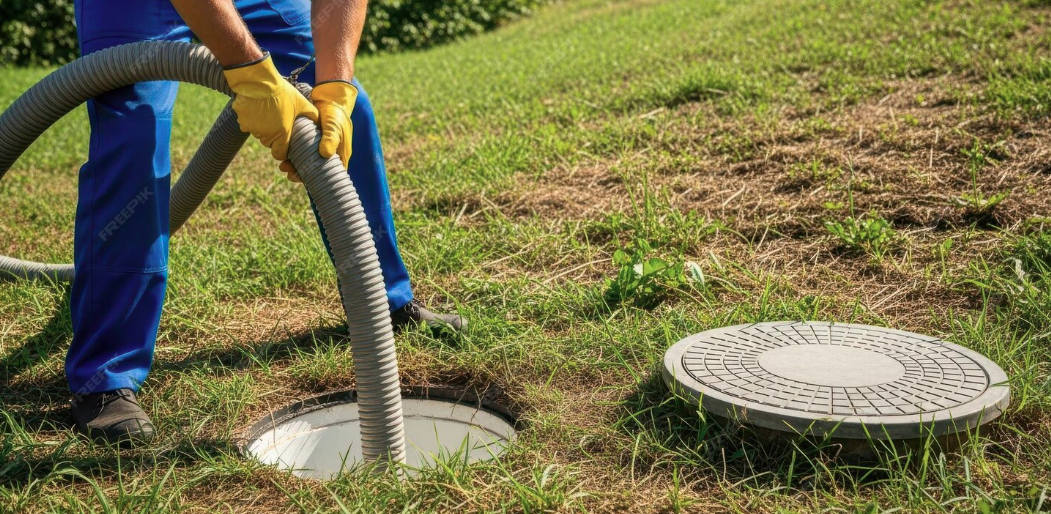
Keeping your septic system in check might not be the most exciting task, but ignoring it can lead to messy surprises. Cleanline helps homeowners monitor their tanks, making septic pumping easier and more predictable. Tracking septic performance means you know exactly when your tank needs attention, avoiding sudden overflows or costly last-minute calls. This simple step saves stress, time, and money.
Why Septic Surprises Happen?
People often assume septic systems just… work. But they don’t. Over time, solids build up, and if left unchecked, issues appear suddenly. By paying attention to performance, you avoid clogged pipes, prevent backups in bathrooms or kitchens, and skip emergency pumping fees. Tracking is about spotting trouble before it hits, turning guesswork into a clear schedule.
How Regular Monitoring Helps?
Monitoring your tank doesn’t have to be complicated. Simple checks and keeping records help track tank levels month to month, spot trends like faster fill-ups, and know when septic pumping Central Oregon services are needed. This proactive approach helps homeowners plan ahead and prevents stressful surprises.
What Signs Indicate Your Tank Needs Pumping?
Even with monitoring, some physical clues signal it’s time for a pump. Slow drains or gurgling pipes, strong odors near the tank or drain field, and water pooling in your yard all mean attention is needed. Noticing these early means you can schedule septic pumping quickly, avoiding bigger problems.
Why Location Matters?
Where your septic tank sits affects maintenance. Tanks closer to heavy water use areas fill faster, and performance tracking helps you spot these trends. With clear records, you know exactly when to call in Cleanline for a pump, keeping everything flowing smoothly.
How Often Should You Pump?
There isn’t a one-size-fits-all answer. Frequency depends on tank size, household use, and water habits. Tracking performance gives you an accurate, customized schedule rather than guessing, which avoids unnecessary costs and keeps the system healthy. There’s peace of mind in knowing exactly when your tank needs attention, so you’re never caught off guard.
Benefits of Proactive Pumping
Regular pumping prevents overflow and property damage, health hazards from untreated waste, and unplanned expenses from emergency services. With records and consistent checks, homeowners feel confident that their system is in good shape. Staying on top of your septic schedule also saves stress and keeps daily life running smoothly.
How Tracking Helps Save Money?
Knowing your tank’s status saves cash. Instead of emergency calls or expensive fixes, you plan ahead, schedule pumps at convenient times, avoid emergency weekend rates, and reduce wear and tear on pipes and fixtures. It’s a small effort with big savings. Plus, it gives peace of mind, knowing your septic system won’t surprise you when you least expect it.
How Cleanline Makes Tracking Easy?
Cleanline focuses on Septic Pumping Central Oregon with expertise and local knowledge. While they don’t repair, inspect, or install tanks, their service ensures tanks get pumped efficiently. Homeowners can trust that performance tracking leads to predictable, stress-free maintenance.
What Tools Can Help You Track Performance?
Even basic tools make a difference. Simple logs to record pump dates, measuring devices for tank levels, and alerts for increased water use provide enough insight. Data from tracking helps you call Cleanline at the perfect time, preventing surprises and keeping life normal. These small steps save headaches, avoid costly emergencies, and keep your septic system running smoothly.
Bottom Line
Tracking septic performance turns surprises into manageable tasks. With proper attention and timely septic pumping, homeowners avoid emergencies, save money, and keep their systems healthy. Cleanline specializes in efficient, local septic pumping services in Central Oregon. By staying on top of your tank’s performance, you reduce stress, prevent backups, and enjoy peace of mind knowing your system is in expert hands.
Frequently Asked Questions
- How often should I schedule septic pumping?
Frequency depends on tank size, household use, and water habits; tracking performance creates a customized schedule. - What are the signs my septic tank needs pumping?
Slow drains, gurgling pipes, strong odors, or water pooling near the tank indicate attention is needed. - Does Cleanline inspect or repair septic tanks?
No, Cleanline only performs efficient septic pumping; inspections and repairs are not part of their services. - How can tracking prevent emergency septic problems?
Monitoring tank levels and usage alerts you before issues escalate, avoiding surprise overflows and emergency calls. - Which tools help track septic performance?
Simple logs, tank level devices, and water use alerts provide enough insight for timely pumping and maintenance.