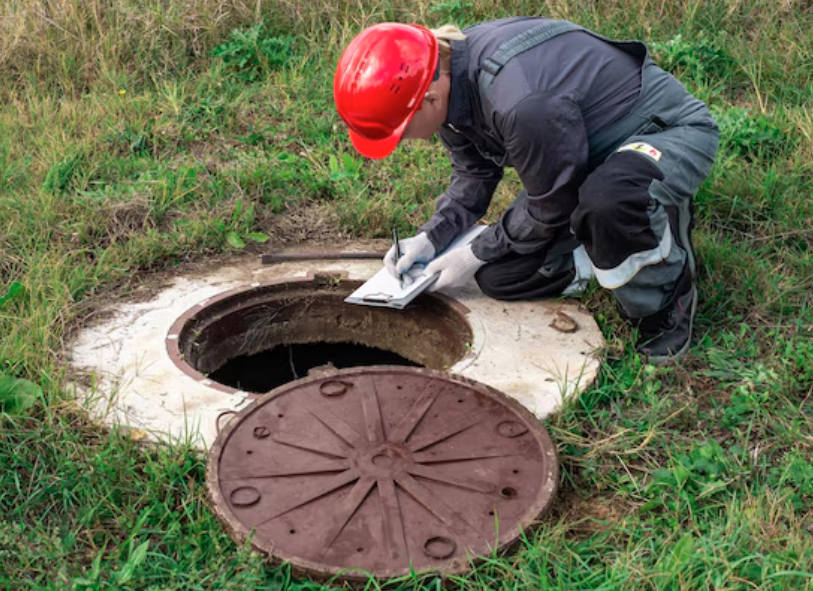
How you monitor your septic system can save you from messy, stressful surprises. Cleanline helps homeowners track their tanks, making septic pumping predictable and worry-free. By keeping an eye on performance, you know exactly when your tank needs attention, avoiding sudden overflows, last-minute weekend calls, and unexpected costs. A few small checks now can save time, money, and stress later.
Why Unexpected Septic Problems Happen?
Septic systems don’t fix themselves. Solids settle over time, and wastewater flows more slowly than it should. Without tracking, you might notice issues too late, like slow drains or pooling water. Simple performance checks help you spot these early. Tracking isn’t just about avoiding messes; it’s about planning maintenance that fits your household’s needs.
How Regular Monitoring Makes Life Easier?
Monitoring isn’t complicated. Keep a log of when your tank was last pumped, note unusual odors, or track water usage spikes. This data shows trends and tells you when septic pumping Central Oregon services might be needed. By checking your system regularly, you prevent surprises and plan pumps at convenient times. You stay in control instead of reacting to emergencies.
Spotting Physical Clues Before They Escalate
Even with monitoring, your senses help. Watch for:
- Slow drains or gurgling sounds
- Strong odors near the tank
- Wet spots or pooling water in your yard
Noticing these signs early lets you schedule a pump quickly, avoiding bigger issues. Quick action now keeps your home running smoothly and prevents frustration.
Location Plays a Big Role
Where your tank sits matters. Areas near laundry rooms, kitchens, or frequently used bathrooms fill faster. Tracking helps you notice which spots see more activity, so you can schedule pumps accordingly. With clear logs, you’ll know when to call Cleanline before overflows happen, keeping your septic system healthy and predictable.
How Often Should You Schedule a Pump?
There isn’t a one-size-fits-all answer. Tank size, water use, and household habits all matter. Tracking performance gives you a personalized schedule, so you avoid unnecessary costs and keep the system running smoothly. You gain peace of mind knowing exactly when your tank needs attention, no surprises, no stress.
Benefits of Proactive Pumping
Regular septic pumping prevents:
- Overflow and property damage
- Health hazards from untreated waste
- Unplanned emergency expenses
Consistent checks and logs give homeowners confidence. Staying ahead of issues keeps daily life normal, reduces stress, and avoids costly emergency calls.
How Tracking Helps Save Money?
Knowing your tank’s status saves cash. You can:
- Schedule pumps at convenient times
- Avoid expensive emergency weekend rates
- Reduce wear and tear on pipes and fixtures
Small, proactive steps protect your system and your wallet. Tracking ensures surprises don’t sneak up on you when you least expect them. By staying consistent, you also extend your tank’s lifespan and avoid unnecessary stress.
How Cleanline Simplifies Tracking
Cleanline specializes in septic pumping Central Oregon, focusing on efficient, local service. While they don’t repair or inspect tanks, their expertise ensures pumping happens smoothly and on time. Homeowners can rely on data-driven schedules, preventing costly emergencies and keeping life simple.
Tools to Make Tracking Easy
Even basic tools help. Use simple logs for pump dates, measuring devices for tank levels, or alerts for unusual water use. This information tells you exactly when to call Cleanline, avoiding messes and unnecessary stress. A few minutes spent now saves headaches and keeps your system running efficiently.
In Closing
Tracking your septic system turns surprises into manageable tasks. Regular checks and timely septic pumping prevent emergencies, save money, and keep your tank healthy. Cleanline provides local, efficient service in Central Oregon, making it easy to stay on top of your system. With a little attention and the right support, you can avoid messes, reduce stress, and enjoy peace of mind knowing your septic system is in expert hands.
Frequently Asked Questions
- How often should I schedule septic pumping?
Schedule depends on tank size, water use, and household habits for safe and efficient maintenance. - What are easy checks to prevent septic issues?
Track pump dates, monitor odors, note water usage spikes, and watch for pooling water or slow drains. - Can monitoring prevent emergency septic problems?
Yes, regular tracking helps homeowners call Cleanline proactively, avoiding overflows and costly last-minute services. - How does location affect septic tank maintenance?
Tanks near kitchens or laundry fill faster; tracking use helps schedule pumps efficiently and avoid surprises. - What tools help track septic performance easily?
Simple logs, level gauges, and water use alerts provide enough info to time pumping correctly.