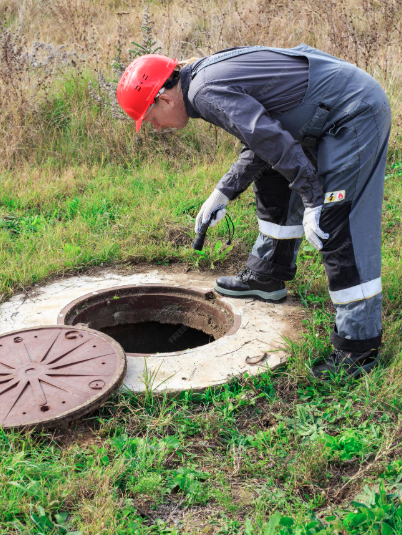
Why keeping track of your septic tank can save you from messy surprises is simpler than most think. Cleanline helps homeowners in Central Oregon maintain control, making septic pumping stress-free and predictable. By logging usage and pump dates, you avoid last-minute weekend calls, unexpected overflows, and surprise costs. A few minutes of tracking now keeps your home dry, safe, and worry-free later.
Why Ignoring Logs Brings Unwanted Chaos?
Septic tanks don’t clean themselves. Solids settle, water slows, and issues sneak up fast. Without tracking, you’ll notice problems too late, slow drains, odors, or wet spots. Keeping a simple log of pump history, water use, and trends can turn surprises into manageable tasks, giving you control over your home maintenance.
How Basic Logs Simplify Home Maintenance?
Keeping a log isn’t complicated. You just need to record pump dates, any odd smells near the tank, and changes in water flow or slow drains. Over time, this data reveals when septic pumping Central Oregon services are needed. It puts you in charge instead of reacting to emergencies.
Reading the Subtle Clues Your Tank Sends
Even with logs, your senses are valuable. Gurgling noises, strong odors, or wet patches in the yard can all be early warnings. Spotting these signs lets you act fast, preventing bigger problems and keeping daily life smooth without unnecessary stress. Checking regularly also helps you notice subtle changes before they become costly. Acting early keeps your yard, home, and pipes safe for the long run.
Tank Location Matters More Than You Realize
Where your tank sits affects fill rates. Laundry, bathrooms, and kitchens add volume faster. Keeping notes about water use in different areas helps you plan pumping before overflows occur. When you know your tank’s habits, you can schedule Cleanline efficiently and keep everything running safely. This simple awareness prevents surprises and keeps your home comfortable and worry-free.
Customizing Your Pumping Schedule
No tank is the same. Size, water use, and household habits all affect how often you need a pump. Logs give you a clear timeline, insight into when a pump is necessary, and confidence that you’re not overpaying. With records in hand, you can call Cleanline before stress arrives. Staying organized this way ensures your septic system runs smoothly year-round without unexpected interruptions.
Why Proactive Logging Saves Money and Stress?
Logging your septic tank protects both your wallet and peace of mind. Tracking allows you to schedule pumps at convenient times, avoid expensive emergency rates, and reduce strain on pipes. Small, proactive steps safeguard your system and your home, and adding notes on unusual use patterns makes planning even smarter. Staying consistent with logs ensures long-term reliability and fewer unexpected headaches.
Tools and Tricks That Make Logging Simple
You don’t need fancy tools. A calendar, notebook, or simple alerts for high water use can all work. These small steps tell you exactly when to call Cleanline, keeping your system efficient, predictable, and worry-free. Tracking over time shows patterns you might otherwise miss. It also gives peace of mind, knowing your home is protected before problems pop up.
How Cleanline Keeps Pumping Easily?
Cleanline focuses solely on Septic Pumping Central Oregon, handling only tank pumping. They don’t inspect, repair, or install, which keeps the process fast and predictable. With proper logs, homeowners can know exactly when to schedule pumping, prevent weekend emergencies, and keep life running without septic surprises.
Wrapping It Up
Why guess when your septic system needs care when a simple log can guide you? Regular tracking and timely septic pumping reduce stress, prevent costly emergencies, and keep your system healthy and predictable. Cleanline provides local, efficient service in Central Oregon. With simple logs and our support, you can avoid messes, enjoy peace of mind, and ensure your home stays safe and dry.
Frequently Asked Questions
(1) Why should I keep logs for my septic tank?
Logs track pump dates and water use, helping prevent overflows and surprise septic emergencies.
(2) How do I know when septic pumping is needed?
Monitoring pump history, odors, and water flow patterns shows the best timing for a pump.
(3) What tools help with septic tracking?
A simple notebook, calendar, or alerts for high water use is enough to stay organized.
(4) Does tank location affect pumping frequency?
Yes, areas near kitchens, bathrooms, and laundry fill tanks faster and need closer monitoring.
(5) How does Cleanline use logs for efficient service?
Cleanline uses logs to schedule Septic Pumping Central Oregon efficiently, preventing weekend emergencies and system stress.