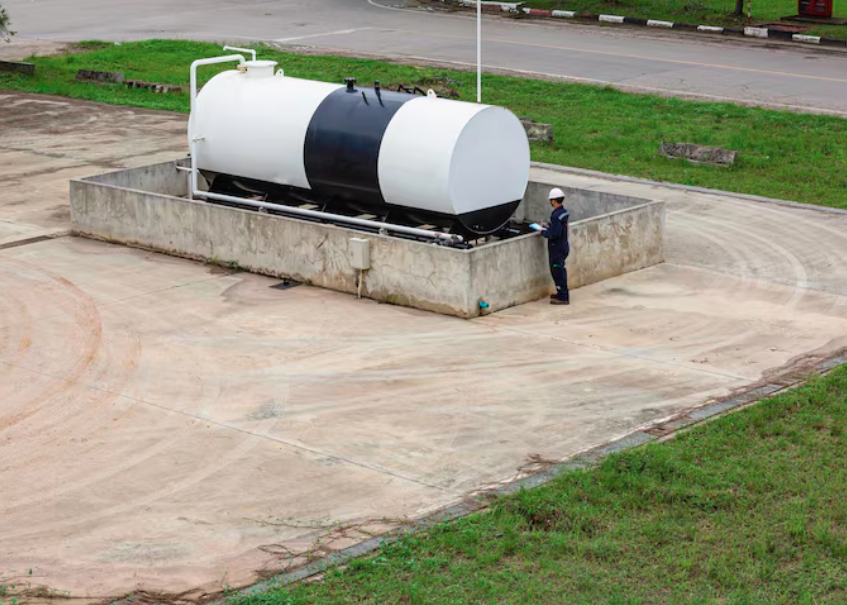
Cleanline helps homeowners understand something most people ignore until trouble starts. Septic systems don’t shout when they fill up. They quietly build pressure until slow drains, bad smells, or backups show up. That is why knowing the right pumping schedule matters. Cleanline recommends timing septic care correctly so problems don’t catch you off guard. When a system reaches its limit, septic tank pumped becomes more than a task: it becomes urgent home protection.
Why Septic Pumping Timing Matters More Than Homeowners Expect?
Septic systems work like hidden storage tanks under the ground. Every flush, wash, and drain sends waste into that system. Over time, solids settle, and liquids move out. If pumping delays happen, the tank starts filling up too much. That creates pressure on pipes and slows everything down. So the timing of pumping directly impacts:
- Drain speed inside the home
- Smell control around the property
- Risk of wastewater backup
- System lifespan
Cleanline focuses only on pumping service, so timing becomes the main factor in preventing trouble. That means no guesswork, just scheduled pumping based on real usage patterns. Staying consistent helps avoid sudden backups and keeps the system stable year-round.
The Simple Rule Most Homes Can Follow
There is no single fixed schedule for every home. However, most residential systems follow a general pattern. Here is a simple breakdown:
- Small household (1–2 people): every 3–5 years
- Medium household (3–4 people): every 2–4 years
- Large household (5+ people): every 1–3 years
Water usage changes everything. More showers, laundry, and dishwashing mean faster tank fill-up. Also, garbage disposal use can speed up the buildup inside the tank. So the real answer depends on usage, not just time.
What Happens Inside The Tank Between Pumpings?
To understand timing better, think of the septic tank like a settling box. It has three layers:
- Top layer: water and lighter waste
- Middle layer: liquid flow
- Bottom layer: heavy sludge
Over time, sludge builds up. If it gets too high, it blocks the flow. That is when the system starts struggling. In many cases, homeowners only notice the issue when things get worse. That is why regular pumping matters more than reaction-based fixes.
Warning Signs That Pumping Is Already Late
Most systems give signals before failure. The problem is that people ignore them. Look out for:
- Slow-draining sinks and toilets
- Gurgling sounds in pipes
- Bad smell near drains or yard
- Water pooling in unexpected areas
Pumping Only Works When Done On Time
Septic pumping is not about fixing damage. It is about removing buildup before damage starts. If pumping happens too late:
- Sludge blocks the system
- Pipes struggle to move waste
- Pressure builds inside the tank
If pumping happens on time:
- Flow stays smooth
- System lasts longer
- Home plumbing stays stable
Cleanline only handles pumping, so the focus stays on preventing overload, not repairing damage. This approach keeps the system cleaner and reduces the risk of sudden septic failure.
Understanding Systems Like a Septic Tank With Pump
Some homes use setups often referred to as a septic tank with pump. These systems move wastewater using a pump instead of only gravity. In simple terms:
- Waste collects in the tank
- Pump moves liquid to the next stage
- Solid waste still builds up inside
Even in these systems, pumping still matters. The pump helps movement, but it does not remove sludge. So, buildup still happens over time. That is why regular pumping remains necessary, even if the system uses mechanical support.
Why Over-Pumping or Under-Pumping Both Cause Issues
Timing mistakes go both ways. If pumping happens too early:
- Money gets wasted
- System never fills enough to need service
If pumping happens too late:
- System overload begins
- Repairs may become necessary later
So the goal is balance. Not too early. Not too late. Just consistent scheduling based on usage. This helps the septic system run smoothly and avoids unnecessary stress on the tank.
How Homeowners Can Build A Simple Maintenance Habit?
Homeowners don’t need complex tracking systems. A simple habit works better. Try this:
- Note last pumping date
- Track household size changes
- Watch for slow drainage signs
- Plan pumping before peak seasonal use
This keeps the system stable without guesswork. Cleanline’s focus on pumping makes this easier since the service fits into a simple repeat cycle.
What Most People Get Wrong About Septic Timing?
Many assume:
- “If it still drains, it is fine.”
- “No smell means no issue.”
- “It can wait another year.”
But septic systems don’t fail suddenly. They slow down step by step. By the time visible issues appear, the tank is usually already overloaded. That is why regular pumping matters more than waiting for warning signs.
Concluding Thoughts
Septic systems stay invisible until they fail. That is why timing matters so much. Regular pumping keeps everything flowing and reduces the risk of costly problems. Cleanline helps homeowners stay ahead of these issues through reliable pumping schedules and simple service cycles.
When a system reaches its limit, Cleanline Seamless Gutters steps in to handle septic tank pumped services with a clear focus on keeping homes safe and functional. For homeowners who want steady system performance without surprises, scheduling the right pumping cycle makes all the difference.
Frequently Asked Questions
(1) How often should a septic tank be pumped?
Most homes need pumping every 2–5 years, depending on household size, water usage, and tank capacity.
(2) What happens if the septic tank is not pumped on time?
Untreated buildup causes slow drains, bad smells, backups, and possible system failure inside the home plumbing system.
(3) What are the signs a septic tank needs pumping?
Slow drains, gurgling pipes, foul smells, and wet patches around the yard often signal septic tank overflow issues.
(4) Can household size affect pumping frequency?
Yes, larger families fill tanks faster, requiring more frequent pumping compared to smaller households with lower usage.
(5) What does Cleanline provide for septic maintenance?
Cleanline provides septic tank pumping services only, helping homeowners maintain safe system operation through regular scheduled pumping.