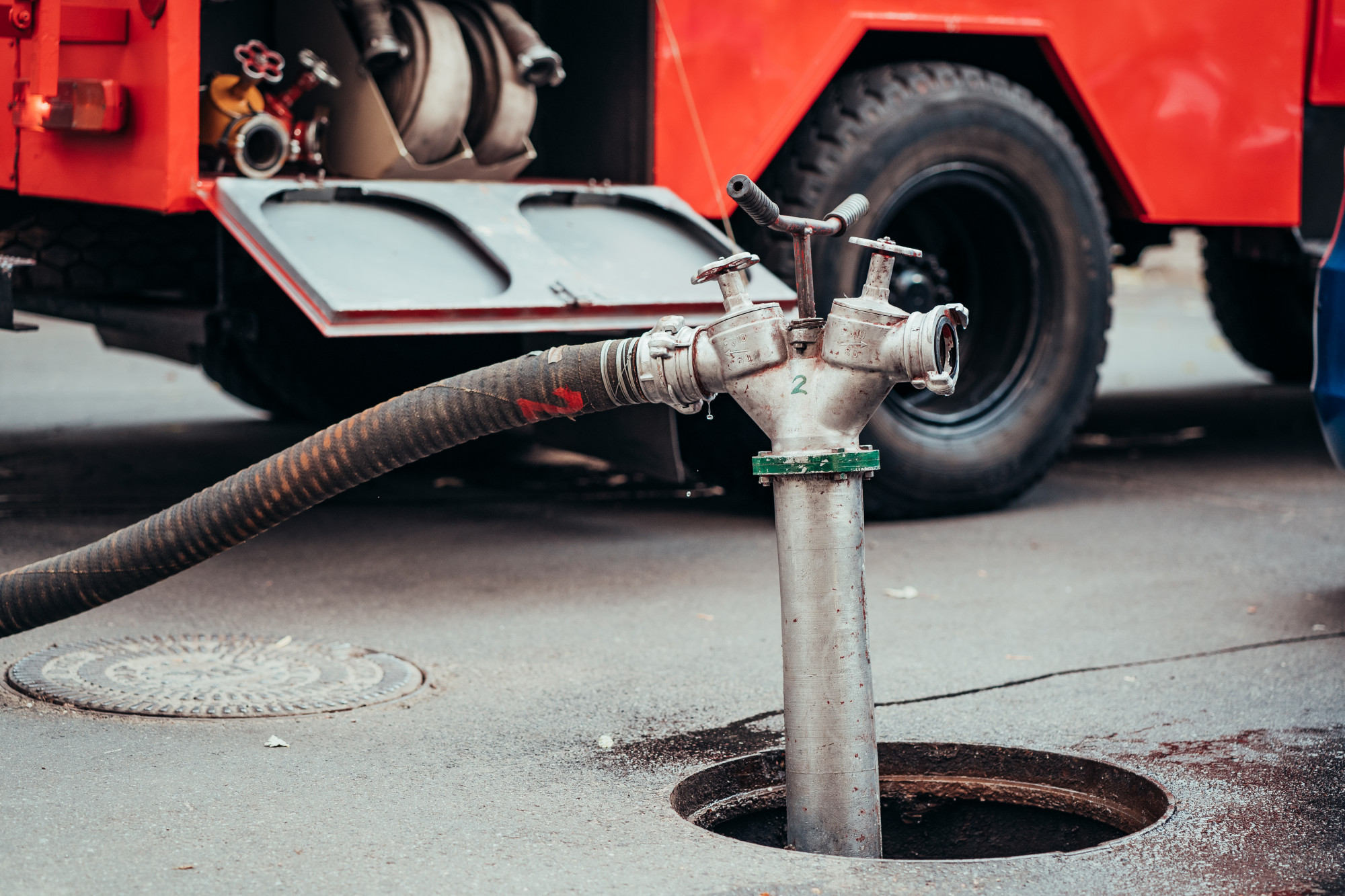
A home can look perfectly fine from the outside, but things can go wrong quietly underneath. Slow drainage, strange smells, and sudden backups usually start small, then grow fast when waste builds up over time. That hidden pressure is what leads to breakdowns. A proper routine service like Cleanline Seamless Gutters helps control that risk and supports long-term system health through septic pumping service Bend, Oregon, solutions designed for steady performance.
Why Small Blockages Turn Into Big System Trouble?
Most system issues don’t start with failure. They start with slow movement. Waste starts settling inside and reduces the flow space bit by bit. Here’s how trouble builds up:
- Solid waste settles in the bottom layer
- Liquid flow slows down over time
- Pressure starts rising inside the system
- Pipes begin pushing back instead of draining forward
So, what feels normal at first slowly turns into stress on the whole setup. That’s where routine pumping stops damage early.
What Homeowners Notice Before Things Go Wrong?
Systems usually give warning signs, but most people miss them because they seem small. Common early signals include:
- Water is taking longer to drain
- Soft bubbling sounds in pipes
- Wet soil patches near outdoor drain zones
- Unpleasant odor near the yard area
These signs show that the flow inside is already struggling. Acting early avoids bigger repair work later.
How Regular Pumping Keeps Pressure Under Control?
A system works best when nothing sits too long inside it. Pumping clears heavy buildup so space stays open for proper flow. This helps in real ways:
- Reduces internal pressure buildup
- Keeps waste moving without blockages
- Stops strain on pipes and joints
- Supports stable daily use
So instead of waiting for failure, regular service keeps everything balanced from the start.
Why Ignoring Maintenance Shortens System Life?
When waste stays too long, it doesn’t just sit still. It hardens, thickens, and blocks movement paths. Over time, this leads to:
- Frequent slow drainage issues
- Higher chance of pipe stress
- Risk of sudden system overflow
- Costly repair situations
That’s why scheduled care always works better than emergency fixes.
How Local Conditions Change System Behavior?
Weather and soil conditions play a bigger role than most people expect. Heavy rain, shifting soil, and moisture changes all affect how underground systems behave. In regions like septic pumping Bend, Oregon, systems face:
- Increased water load during rainy seasons
- Soil pressure changes around buried lines
- Faster buildup due to higher usage cycles
Local experience matters because every area behaves differently under stress.
What Professional Pumping Actually Fixes Inside the System?
A proper service visit does more than remove waste. It resets the system balance so flow can return to normal. During service, teams usually:
- Clear built-up layers inside the tank
- Check flow movement levels
- Identify early blockage signs
- Ensure smooth exit movement from the system
This step-by-step check prevents hidden problems from growing silently.
Why Timing Matters More Than Most People Realize?
Waiting too long creates pressure that slowly damages the system from the inside. Regular timing keeps everything in control. Good timing ensures:
- No overflow pressure inside tanks
- Smooth movement of waste
- Less strain on connecting lines
- Stable long-term performance
So, timing works like a safety switch for the whole system.
How Simple Habits Help Systems Stay Healthier?
Small habits at home can reduce system stress a lot. These include:
- Avoid dumping heavy waste into drains
- Watch water flow speed inside sinks and toilets
- Keep an eye on outdoor damp spots
- Schedule routine inspection support
These simple steps help systems stay stable for longer periods.
Why System Failures Usually Start Silently?
Most failures don’t happen suddenly. They build up quietly under the surface.
It usually starts with:
- Slight slowdown in drainage
- Small internal buildup
- Unnoticed pressure changes
- Gradual loss of flow strength
By the time visible problems appear, the system is already under stress. That’s why early pumping matters.
Why Pumping Saves Money Over Time?
Skipping maintenance often leads to expensive emergency fixes. Regular pumping costs far less than full system repair or replacement. It helps:
- Avoid sudden system breakdowns
- Reduce repair and replacement costs
- Extend system lifespan significantly
- Keep daily home use stress-free
So small service today prevents major spending later.
Wrap Up
A residential system lasts longer when waste doesn’t stay stuck inside. Regular pumping clears buildup, reduces pressure, and keeps flow stable. Without it, small delays inside the system slowly turn into major failures.
In septic pumping service Bend, Oregon, weather and soil conditions make routine care even more important for long-term protection.
Cleanline Seamless Gutters helps homeowners maintain better water control and reduce system stress through practical solutions. We bring reliable service that supports long-term home protection and stability. Choosing us means choosing fewer surprises and more control over your home system health. If system care matters, consistent maintenance is the smartest step forward.
Frequently Asked Questions
(1) How does septic pumping improve system lifespan?
It removes buildup early, reduces internal pressure, and keeps waste flowing smoothly through the entire system.
(2) How often should septic pumping be done at home?
Most homes need pumping every few years, depending on usage and household size patterns.
(3) What happens if septic pumping is delayed too long?
Delays cause blockages, pressure buildup, slow drainage, and higher risk of sudden system failure.
(4) Can septic pumping prevent expensive repairs later?
Yes, regular pumping avoids major damage, reduces emergency fixes, and protects overall system structure.
(5) How does Cleanline Seamless Gutters support system care?
Cleanline Seamless Gutters provides maintenance support that helps reduce stress and improve long-term home system stability.