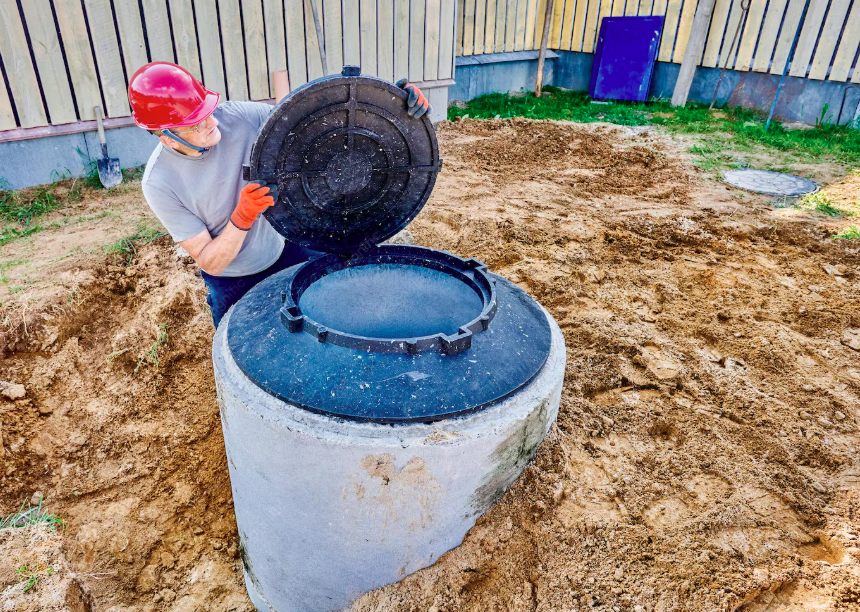
Weekend homes don’t run like regular homes. Water use jumps in bursts, then stays silent for days. That uneven pattern puts extra stress on the septic system. It fills faster in short periods and settles unevenly during downtime. Cleanline Seamless Gutters, and septic tank pumping services near me, often become a common search when homeowners notice slow drains or odd smells after weekend stays. This topic explains why part-time living changes septic timing, how usage patterns shift tank load, and why delayed pumping creates hidden problems.
Why Weekend Water Use Hits The Septic Tank Differently?
A full-time home spreads water use across the week. A weekend home dumps heavy usage in 2–3 days. So the tank gets a sudden rush instead of a steady flow. That creates:
- Quick sludge buildup
- Faster solid settling
- Uneven bacterial activity
- Short recovery time between loads
So the system never gets a smooth balance, and that constant imbalance slowly reduces overall treatment efficiency over time.
Why Idle Days Don’t Mean “Empty System Safety”?
A common misunderstanding says “no use means no issue.” That idea causes trouble. During idle days:
- Solids still settle at the bottom
- Grease stays floating on top
- Layers separate inside the tank
- Natural breakdown slows down
So the tank keeps aging even without fresh water input, because internal waste layers continue breaking down and compacting every single day.
Why Weekend Rush Creates Sudden Tank Overload?
Weekend usage often includes showers, laundry, dishwashing, and guests. So the tank receives:
- High water volume in short bursts
- Soap-heavy wastewater spikes
- Food waste surges from cooking
- Rapid fill cycles in 48–72 hours
This pushes the system close to capacity faster than expected, especially during back-to-back heavy usage weekends with little recovery time in between.
Why Pumping Frequency Changes For Part-Time Homes?
A full-time home spreads pumping needs over longer cycles. A part-time home compresses them. So, pumping often becomes more frequent because:
- Sludge settles unevenly
- Rest time allows layer hardening
- Sudden inflow stirs settled solids
- Outlet strain increases after inactivity
This pattern often leads homeowners to check septic tank pumping cost earlier than expected.
How “Stop-And-Go” Usage Affects Tank Health?
Septic systems prefer steady flow. Weekend homes break that rhythm. So the system experiences:
- Micro clogs during peak use
- Temporary overload during gatherings
- Slow recovery during empty days
- Irregular bacterial activity cycles
So the system never stabilises fully, and that constant imbalance leads to uneven breakdown and unpredictable flow behaviour inside the tank.
Why Signs Show Up Faster In Weekend Homes?
Problems don’t wait long in part-time homes. Warning signs appear sooner. Common signals include:
- Slow flushing after weekend use
- Gurgling sounds in drains
- Odour near bathrooms or yard
- Standing water near outlet areas
So the system reacts sharply after each heavy-use cycle, and that repeated stress gradually reduces overall septic efficiency and flow consistency.
Why Delayed Pumping Creates Hidden Build-Up Risk?
Weekend homes often delay maintenance because usage feels occasional. So hidden buildup grows:
- Solid layer thickens faster
- Grease layer hardens over time
- Tank space reduces without notice
- Flow rate drops during peak use
So one busy weekend can push the system past safe limits, especially when previous buildup has not been fully cleared on time.
How Usage Pattern Shapes Pumping Timing More Than Calendar Dates?
Time alone doesn’t decide pumping needs. Usage pattern matters more. A weekend home with 20 guests can match weeks of normal use in two days. So timing depends on:
- Number of visitors
- Water-heavy activities
- Duration of stay
- Frequency of weekends used
So, pumping schedules need adjustment, not fixed yearly rules, because real usage patterns change how quickly solids accumulate inside the system.
Why System Load Matters More Than Tank Size?
Tank size looks like the main factor, but load behaviour changes everything. Even large tanks struggle when:
- Usage comes in bursts
- Recovery time stays short
- Sludge forms faster than breakdown
- Flow direction gets disrupted
So behaviour outweighs capacity in real performance.
How CleanOut Cycles Help Weekend Homes Stay Stable?
Regular pumping resets the system. It clears buildup before it hardens. CleanOut cycles help by:
- Removing compact sludge layers
- Resetting tank balance
- Restoring normal flow speed
- Reducing strain on the inlet and outlet
So the system stays stable across irregular use, and it maintains better flow balance even during high-usage weekend spikes.
Why Many Homeowners Search Help After Peak Season Use?
Peak seasons expose weak systems. Summer weekends and holidays push tanks harder. So homeowners notice:
- Overflow risk after gatherings
- Drain slowdown during peak stays
- Strong odour after guests leave
- Water backup signs in bathrooms
So searches like septic tank pumping services near me rise during these times.
Summing Up
Part-time homes don’t fail because of damage. They fail because of irregular pressure patterns. So the real issue comes from burst usage cycles, idle buildup periods, sudden overload weekends, and slow recovery windows
Cleanline Seamless Gutters, and septic tank pumping services near me, often become part of homeowner decision-making when systems show early stress signs. Even routine systems need adjustment when usage changes. That’s where awareness of timing and load makes a real difference in avoiding backups and costly disruption.
Frequently Asked Questions
- Why do weekend homes need septic pumping more often?
Weekend homes overload tanks quickly, causing faster sludge buildup and uneven breakdown compared to steady full-time household usage cycles.
- Does empty house time reduce septic tank problems?
No, idle days still allow waste separation and slow breakdown, which continues affecting tank condition over time.
- What signs show septic tank is filling too fast?
Slow drains, bad smells, gurgling pipes, and standing water around drains often signal overfilled or stressed septic systems.
- How does guest usage affect septic systems?
Guest-heavy weekends cause sudden water surges, increasing tank pressure and accelerating sludge buildup much faster than normal use.
- When should pumping be scheduled for weekend homes?
Pumping should align with usage patterns, especially after peak seasons or frequent guest-heavy weekends showing heavy system load.