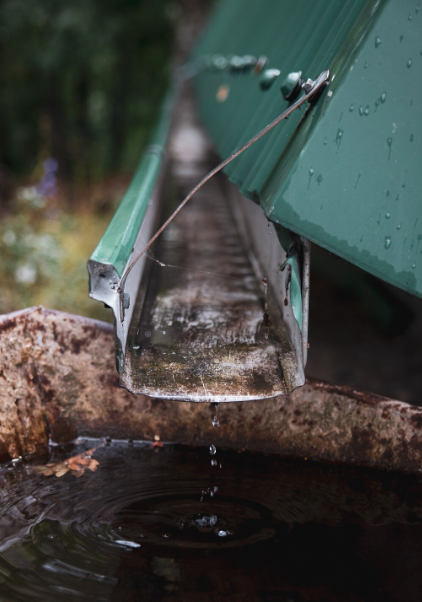
A gutter system rarely fails in one big moment. It starts with small signals that most homeowners ignore because they look harmless at first. A slow drip near a corner, uneven water drops during rain, or overflow from one side usually point to deeper internal stress. Cleanline Seamless Gutters helps homeowners in Central Oregon read these early signals with clarity instead of confusion. A proper gutter leak maintenance check exposes what sits inside seams, joints, and flow paths, so decisions move away from guesswork and toward real system understanding.
When Small Drips Turn Into System Behavior Warnings
A gutter leak does not behave like random damage. It follows a pattern. Once water escapes in one area, it often means pressure has already changed inside the system.
Homeowners usually notice things like:
- water slipping from corners only during heavy rain
• small streaks forming under roof lines
• uneven dripping from different sections
• overflow that appears in the same spots again
So the real issue is not the drip itself. It is what caused the system to shift in the first place. That is where gutter leak maintenance becomes important. It does not just locate leaks. It explains why the system started behaving this way.
What Seam Lines Reveal About Hidden Gutter Weakness?
Seams look simple from the outside. They connect sections and move water along the system. But inside those connection points, pressure builds up over time.
During inspection, seams often show:
- tiny gaps forming where the sealant has weakened
• dirt and debris trapped inside the connection edges
• slow separation from repeated expansion and contraction
• water tracing paths through weak bonding areas
These changes do not happen overnight. They build slowly with every rain cycle. So by the time a leak appears, seam stress already exists across multiple points. That is why surface sealing rarely lasts long without deeper correction.
Why Joints Break Repeatedly Even After Basic Repairs?
Joints take more force than most homeowners realize. Every rainfall pushes water weight through them, and every temperature shift makes materials expand and shrink.
Common joint problems include:
- connectors loosening under long-term pressure
• repeated leaks from the same junction point
• minor misalignment that grows over time
• fastener fatigue that reduces holding strength
So even after repair, the same leak can return. The system never resets fully because the pressure imbalance stays inside. A maintenance leaking gutter approach helps identify whether the joint is failing once or failing repeatedly as part of a larger pattern.
How Blocked Flow Changes Pressure Inside the Entire System?
Blocked flow does more than slow water. It changes how pressure moves through the entire gutter line. Once water cannot travel smoothly, it starts building up force in unwanted areas.
Typical flow disruptions include:
- leaf buildup is slowing drainage speed
• mud deposits forming thick layers inside channels
• flat slope areas trapping standing water
• uneven flow direction causing back pressure
This back pressure forces water into seams and joints instead of letting it exit cleanly. That is why leaks often appear far away from the actual blockage point. The system pushes water outward wherever it finds weakness.
Repair Decisions That Shift After System Reading
Most homeowners expect a simple answer: fix it or replace it. But real gutter behavior does not follow simple rules. It depends on how many parts of the system are still stable.
Repair usually makes sense when:
- leaks stay limited to one or two points
• structure stays aligned and firm
• Cleaning restores normal flow quickly
• joints still hold steady under rain pressure
Replacement becomes necessary when:
- leaks appear across multiple sections
• seams and joints fail in repeated cycles
• flow stays uneven even after cleaning
• structural sagging appears in long runs
So the decision is not emotional. It comes from how the system responds under real water load.
Why Quick Fixes Only Reset the Problem Timer?
Quick fixes feel helpful in the moment. They stop visible dripping and give short relief. But they rarely address internal imbalance.
Common short fixes include:
- sealing cracks with patch material
• tightening loose brackets
• clearing visible debris from the top sections
• using store repair strips for small gaps
Even surface solutions like gutter maintenance tape from Home Depot can temporarily block leaks. However, they do not correct slope issues, hidden seam fatigue, or repeated joint stress. So the system often returns to the same failure points after the next strong rain.
How Cleanline Turns Inspection Into Clear Direction?
Cleanline Seamless Gutters focuses on understanding system behavior, not just surface damage. That approach helps homeowners avoid repeated repair cycles and unclear decisions.
Our inspection process includes:
- full water flow observation during active conditions
• seam and joint condition mapping across all sections
• slope and alignment verification under real load
• clear separation between repair-worthy and replacement-level damage
So instead of guessing, homeowners see exactly how their gutter system is performing and why it is failing or holding.
Wrapping Up
Gutter problems rarely come from one visible crack. They come from how the entire system handles water, pressure, and time. A proper gutter leak maintenance check reveals what seams, joints, and blocked flow areas are really doing behind the scenes.
Cleanline Seamless Gutters helps homeowners in Central Oregon understand these hidden patterns with clear inspection and practical guidance. We focus on long-term system stability, not repeated temporary fixes. We help turn confusing leak issues into clear repair or replacement decisions. In the end, a gutter leak maintenance review gives homeowners something simple but powerful: clarity on what is actually broken and what still holds strong.
Frequently Asked Questions
(1) What does gutter leak maintenance actually find?
It finds hidden seam damage, joint issues, and blocked water flow, causing repeated gutter leaks during rain.
(2) How do seams cause gutter leaks over time?
Seams weaken slowly as sealant breaks down, allowing water to escape through tiny gaps during heavy rainfall.
(3) Why do gutter joints keep failing repeatedly?
Joints fail due to pressure changes, loose fasteners, and constant expansion and contraction from weather shifts.
(4) Can blocked flow really cause gutter leaks?
Yes, blocked flow builds back pressure, forcing water into weak seams and joints across the gutter system.
(5) How does Cleanline Seamless Gutters help homeowners?
Cleanline Seamless Gutters inspects full systems and clearly guides repair or replacement decisions based on real conditions.